Senior Dog Health Monitoring Tech (2026 Guide)
Pet Tech for Senior Dogs Monitoring: A Comprehensive Guide
Quick Answer
Pet tech for monitoring senior dogs includes GPS trackers, health monitors, and smart collars that keep tabs on your pet’s well-being. These tools track activity levels, location, and vital signs, making it much easier to manage your aging dog’s health.
Understanding the Needs of Senior Dogs
Aging dogs face a gauntlet of health challenges—mobility issues, cognitive decline, and chronic conditions that sneak up on you. Catching problems early can make a huge difference in their quality of life. Here’s what you’re typically dealing with:
- Mobility Issues: Arthritis and joint pain that slow them down
- Cognitive Decline: Canine cognitive dysfunction (basically doggy dementia), which is where puzzle and motion-activated toys earn their keep
- Chronic Health Conditions: Diabetes, heart disease, obesity—the usual suspects that need constant monitoring
Here’s a sobering stat: about 70% of senior dogs (over 7 years old) have some health condition that benefits from regular monitoring.
Types of Pet Tech for Senior Dogs
1. Health Monitoring Devices
These track vital signs, activity levels, and sleep patterns—think Fitbit for dogs. We rank the full field in our guide to wearable health monitors for pets.
Product Example: FitBark 2
- Type: Health Monitor
- Specs: Tracks activity, sleep, and calories burned
- Battery Life: Up to 6 months
- Price tier: Mid-range
- Customer Feedback: Users love the detailed health insights, though the initial setup can be a pain.
2. GPS Trackers
Essential for senior dogs who might wander off or get confused about where they are.
Product Example: Whistle GO Explore
- Type: GPS Tracker
- Specs: 20-day battery life, waterproof, activity tracking
- Price tier: Budget + subscription
- Customer Feedback: Great location accuracy, but that monthly fee adds up fast.
3. Smart Collars
These combine GPS and health monitoring in one device—convenient but pricey. Several of them also turn up among the pet tech gifts dog owners actually use.
Product Example: Garmin Alpha 100
- Type: Smart Collar
- Specs: GPS tracking, training features, up to 9 miles range
- Battery Life: 20-40 hours
- Price tier: Premium
- Customer Feedback: Amazing features, but honestly, that price tag is brutal unless you really need all the bells and whistles.
4. Activity Monitors
Focused specifically on keeping your dog moving and tracking their physical activity.
Product Example: PetPace
- Type: Activity Monitor
- Specs: Monitors heart rate, temperature, and activity
- Battery Life: 7-10 days
- Price tier: Mid-range
- Customer Feedback: Great for early health alerts, but some owners struggle with getting the collar to fit properly.
Comparison Table of Senior Dog Monitoring Products
| Product | Type | Battery Life | Price Tier | Key Features |
|---|---|---|---|---|
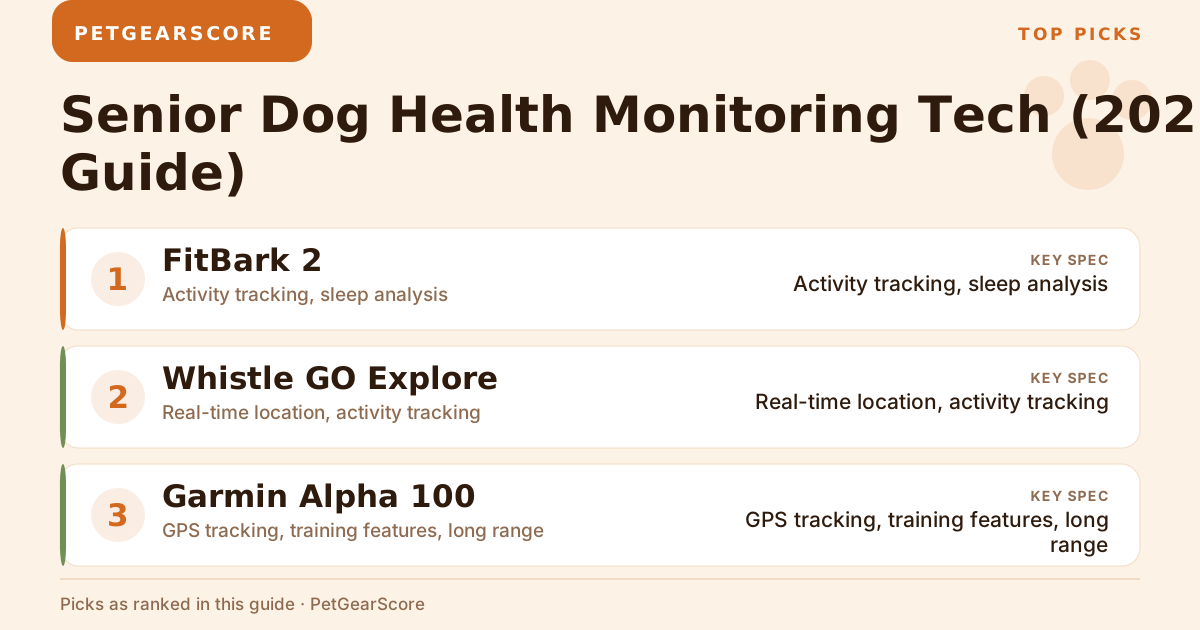
| FitBark 2 | Health Monitor | Up to 6 months | Mid-range | Activity tracking, sleep analysis |
| Whistle GO Explore | GPS Tracker | 20 days | Mid-range + subscription | Real-time location, activity tracking |
| Garmin Alpha 100 | Smart Collar | 20-40 hours | Premium | GPS tracking, training features, long range |
| PetPace | Activity Monitor | 7-10 days | Mid-range | Heart rate, temperature, activity monitoring |
Practical Tips for Using Pet Tech
- Match the device to your dog’s needs: Don’t buy a premium-tier collar if all you need is basic activity tracking—plenty of capable smart pet gear sits under $100
- Check the data regularly: These devices only help if you actually look at what they’re telling you
- Mix and match if needed: Sometimes a simple GPS tracker plus a basic health monitor works better than one expensive do-everything device
- Loop in your vet: Share the data with your veterinarian—they’ll spot patterns you might miss
FAQ
1. How can I monitor my senior dog’s health at home?
Use health monitors, smart collars, and GPS trackers to get insights into activity levels, heart rate, and location. The data helps you catch problems early.
2. Are GPS trackers safe for senior dogs?
Yes, they’re safe and honestly a lifesaver if your senior dog gets confused and wanders off.
3. How often should I check my senior dog’s health data?
Daily if your dog has serious health issues, weekly for general monitoring. Find a rhythm that works for you.
4. What should I do if my monitoring device alerts me to a problem?
Don’t panic, but don’t ignore it either. Call your vet for guidance on whether it needs immediate attention.
5. Can these devices help with my dog’s weight management?
Absolutely. Activity and calorie data makes it much easier to adjust food portions and exercise routines.
Bottom Line
Pet tech for senior dogs isn’t just gadgety fun—it genuinely helps catch health issues early and gives you peace of mind. Start with one device that matches your biggest concern (location, activity, or health monitoring), then add more if needed. Just remember: the best tech in the world won’t replace regular vet visits and your own observations of your dog’s behavior.